Waterline Memory
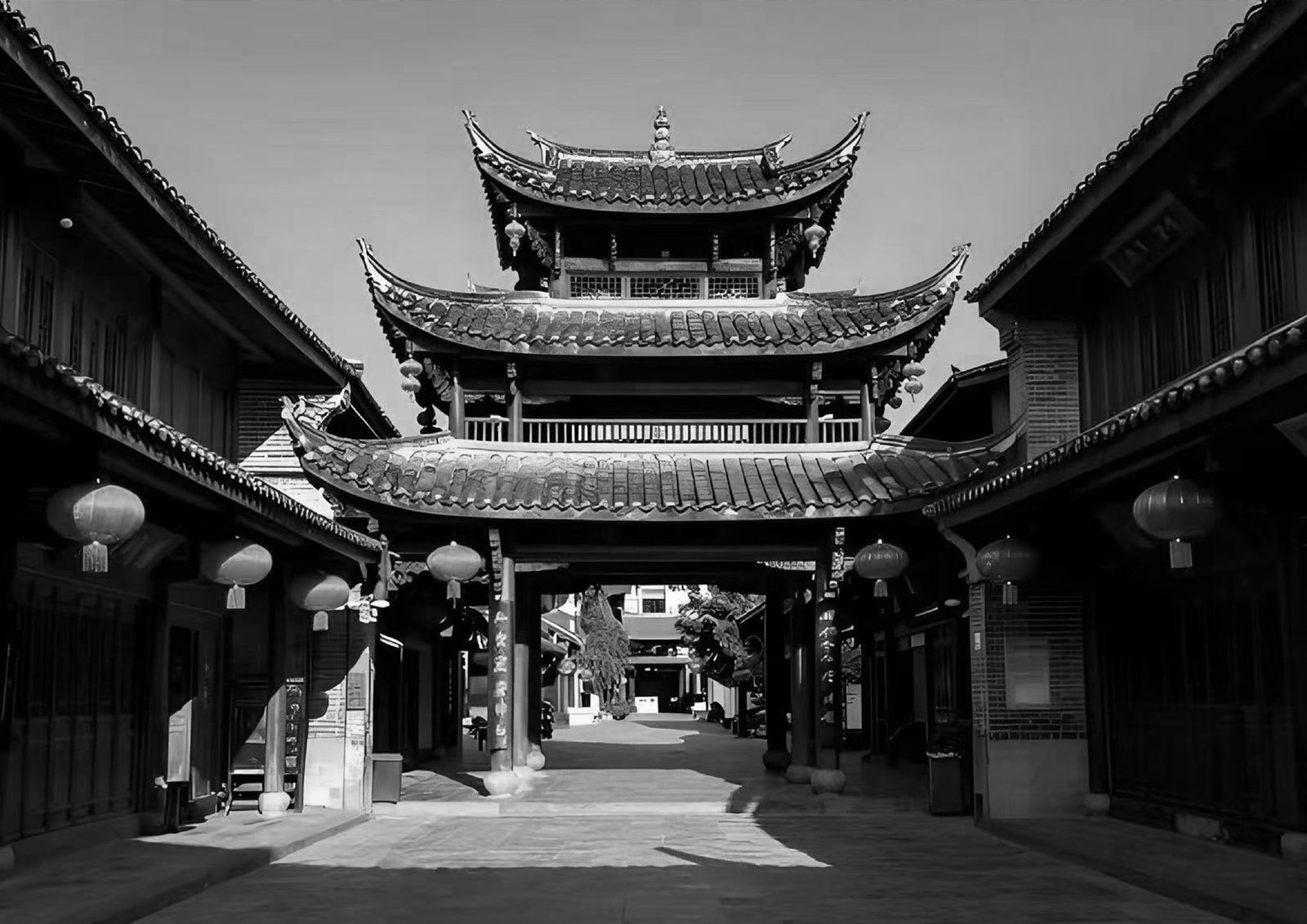
After visiting historic bridge sites in Yunnan, China, I became interested in how traditional bridge forms could be reinterpreted for contemporary circulation needs. Many older bridges create strong cultural identity, but modern waterfronts must also support heavier pedestrian movement, vehicle flow and boat passage.
Project background
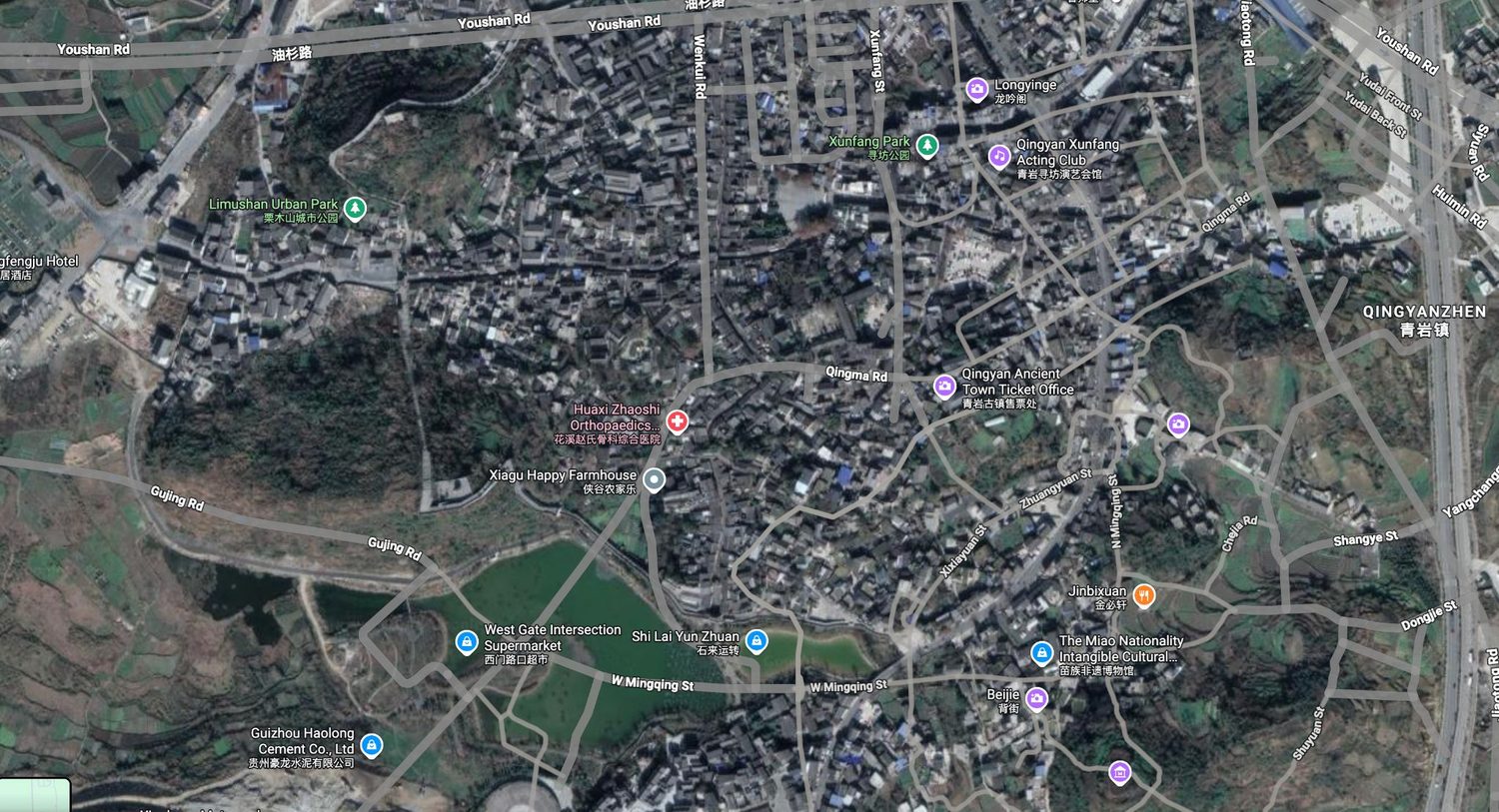
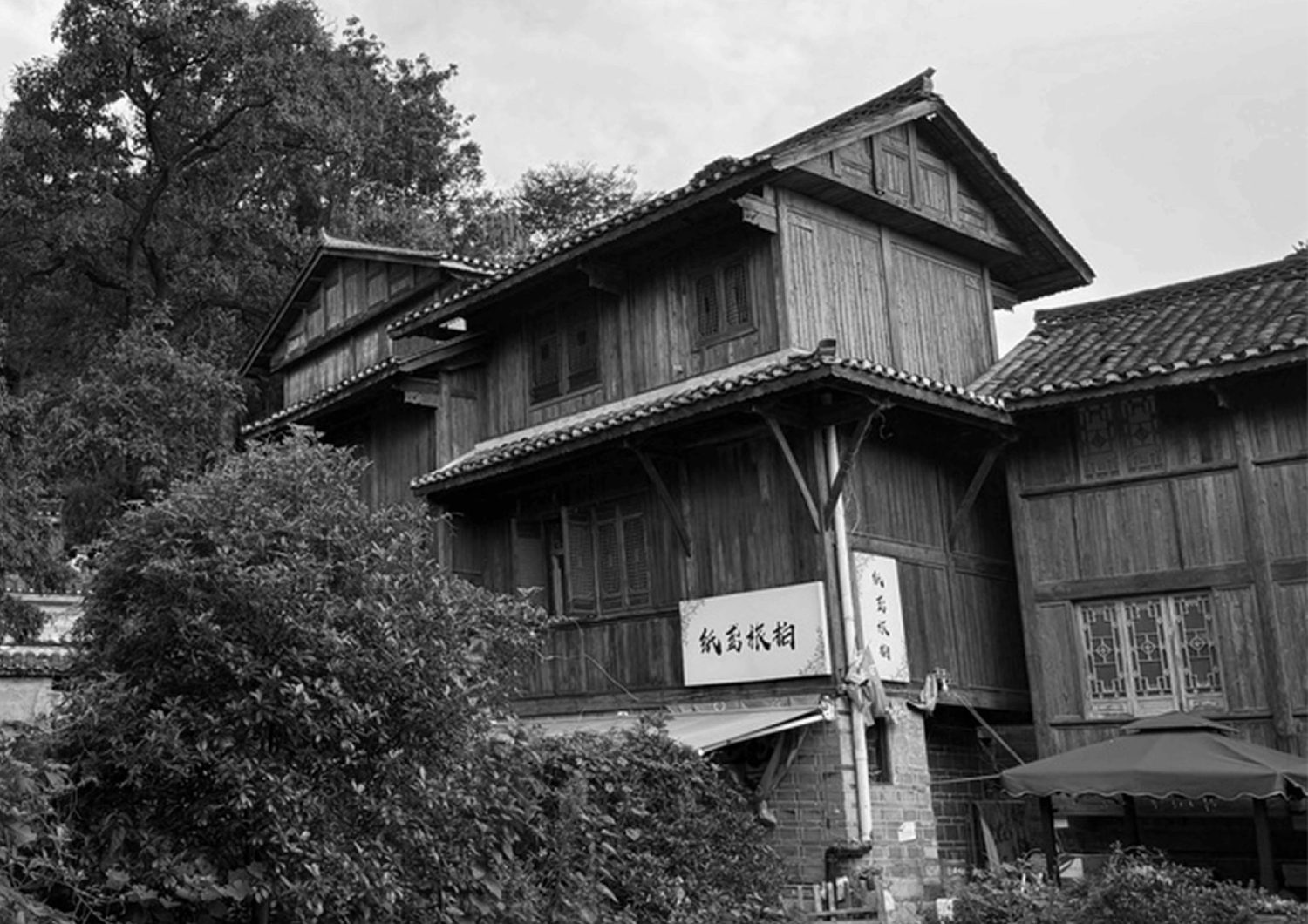
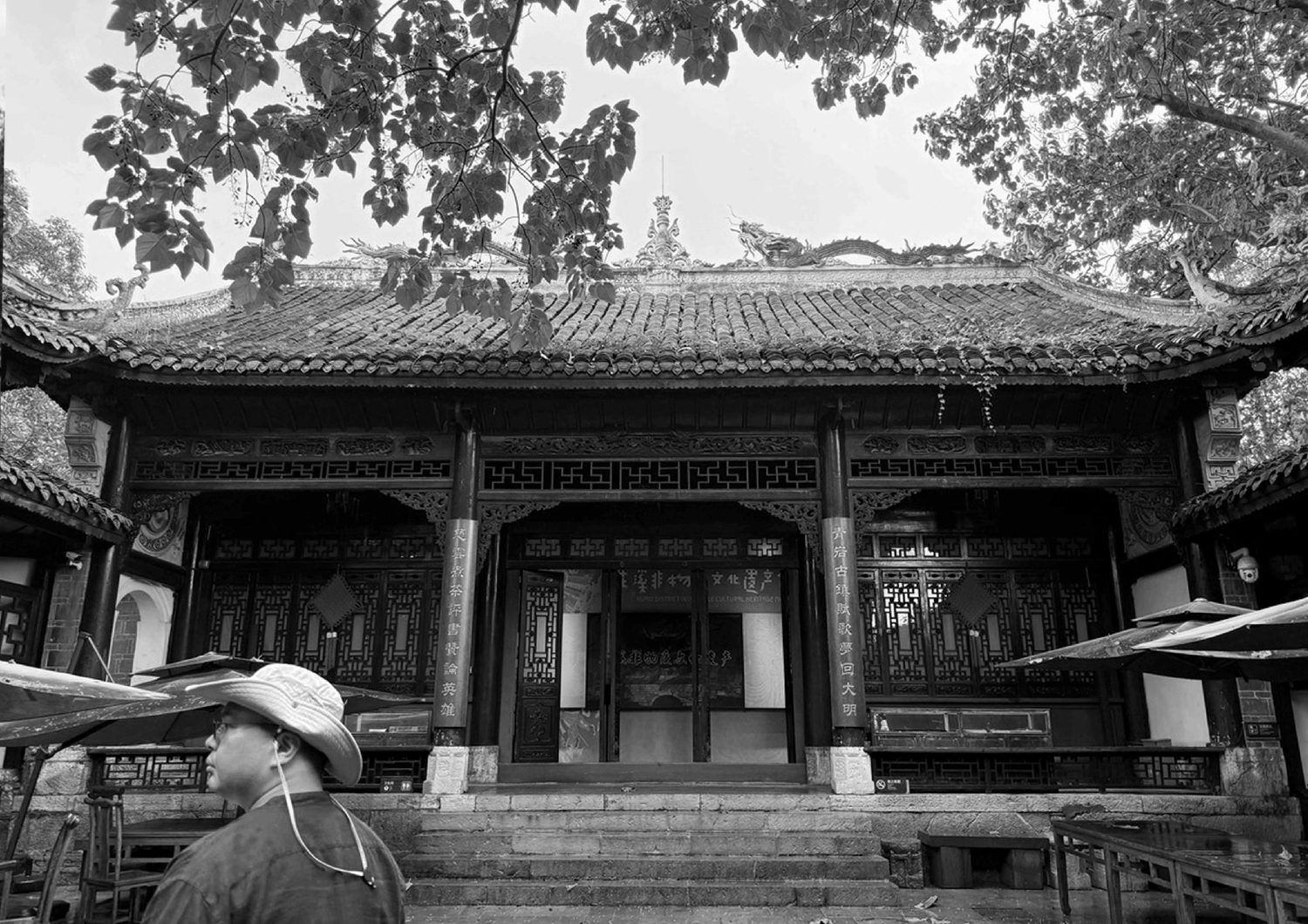
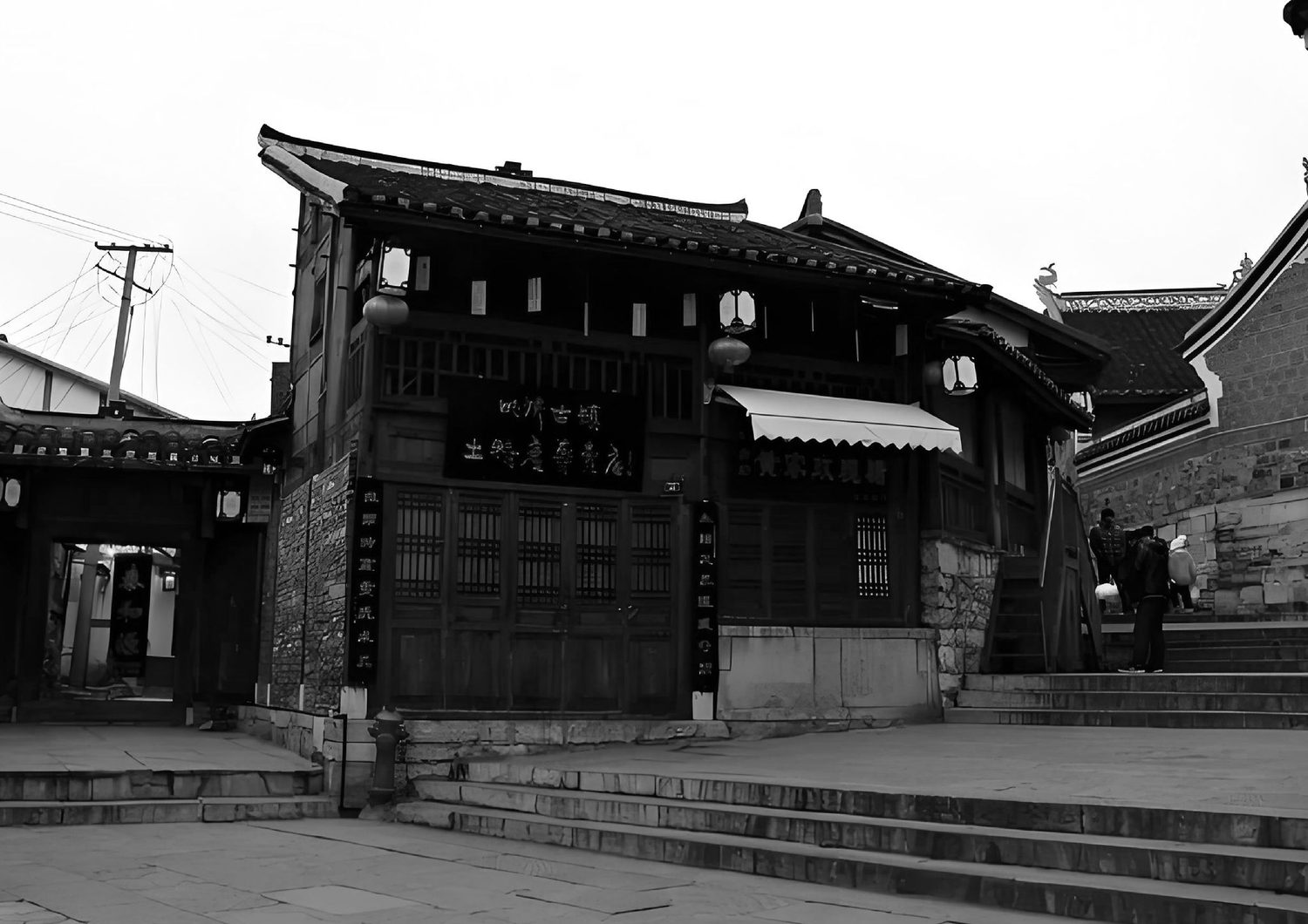
This project began as a study of how a bridge can honor Chinese architectural memory while improving efficiency and openness along the water. On site, the old crossings still organize the town: shops and temples sit at the landing, and the bridge is the seam between them. The question was whether that seam could stay a piece of civic identity while carrying today's traffic.
Project description
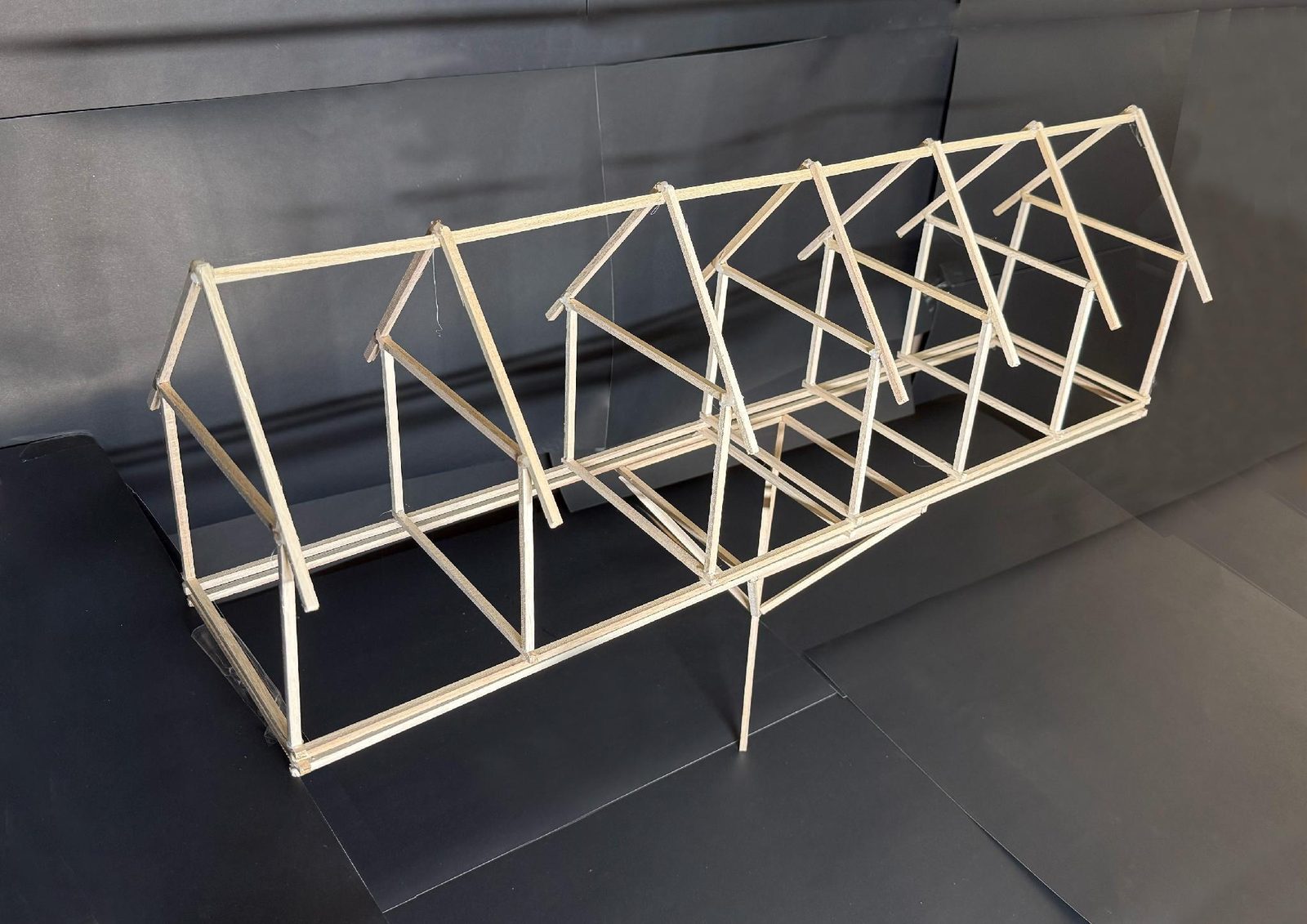
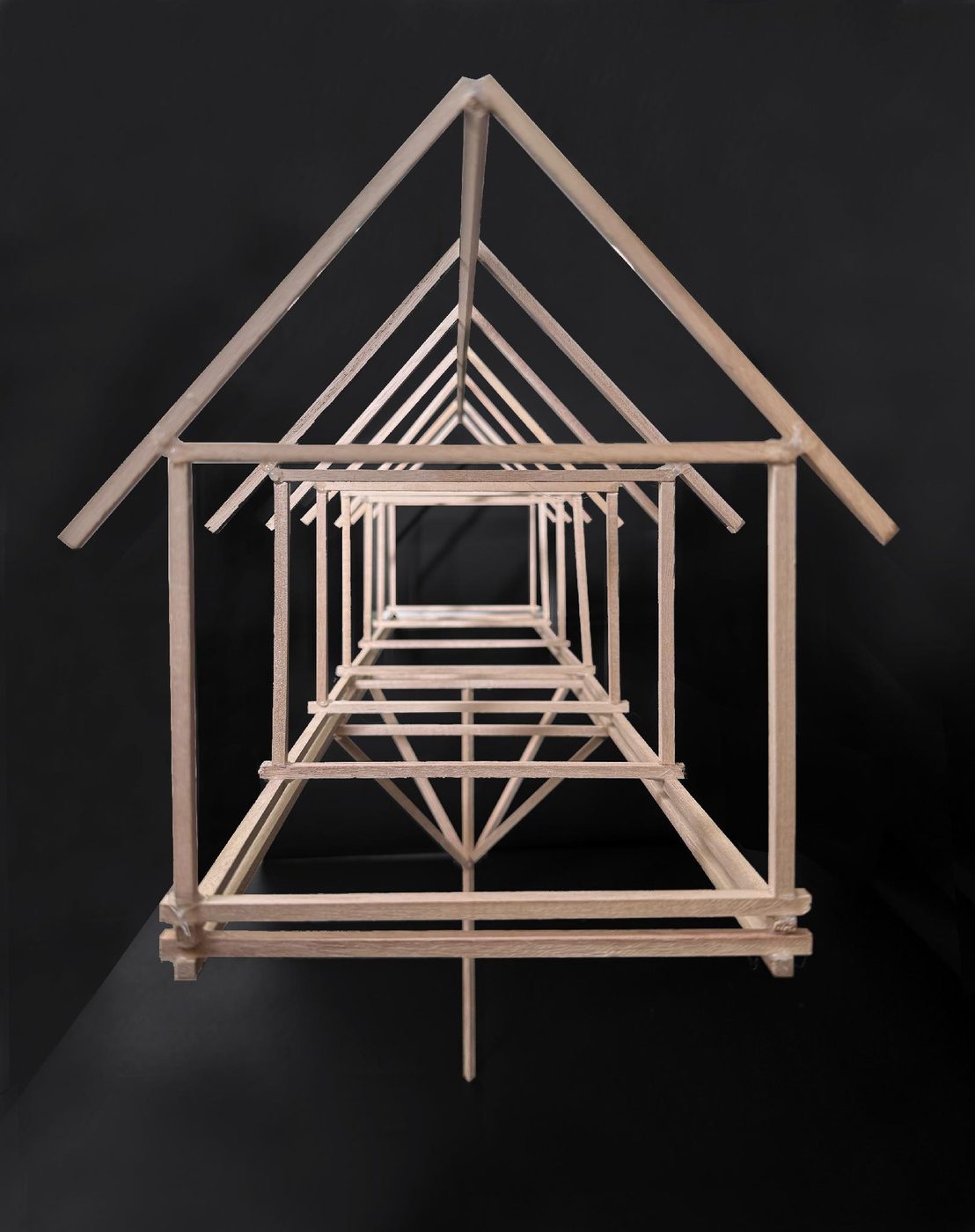
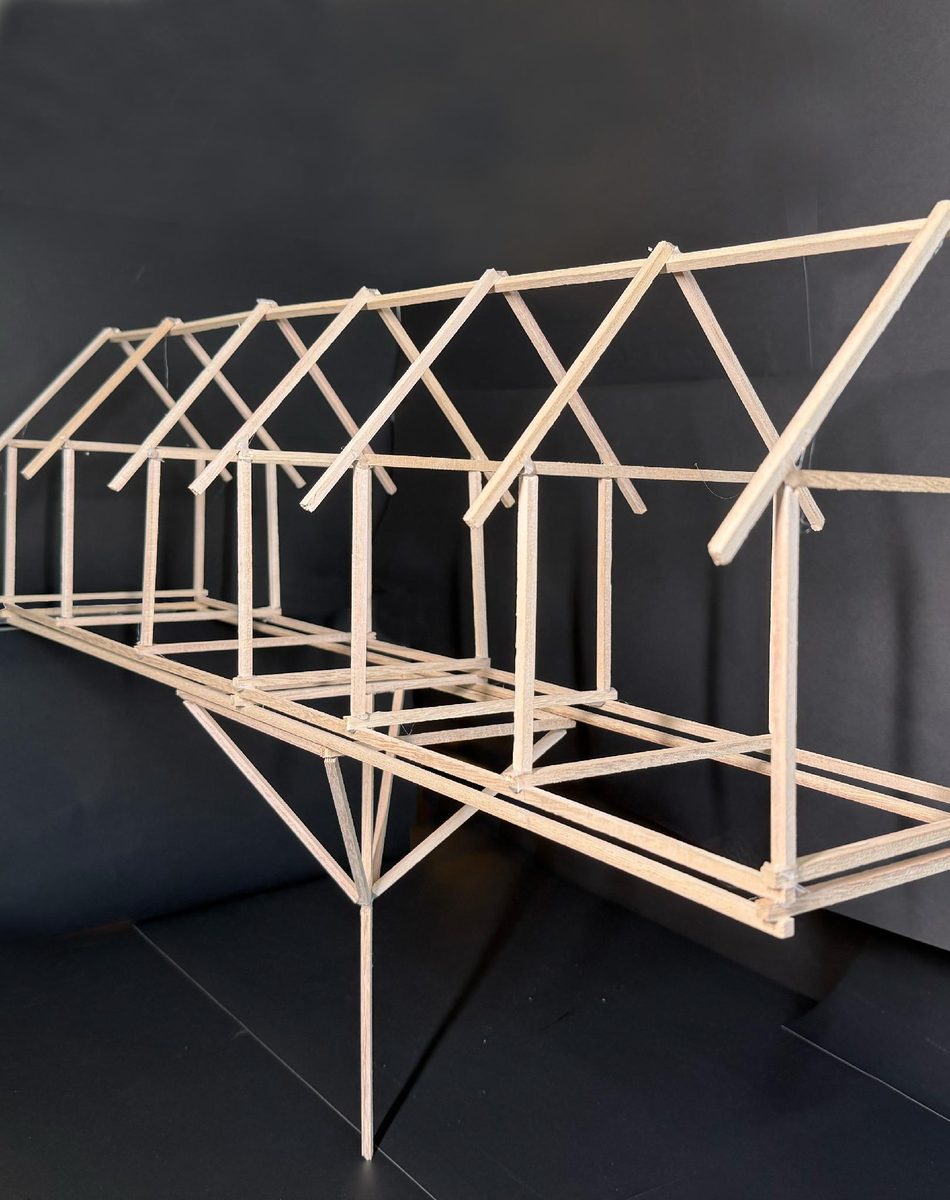
Waterline Memory proposes a wooden bridge inspired by traditional Chinese and East Asian precedents, with a simplified structural rhythm designed to reduce obstruction in the river below. By minimizing the amount of structure touching the water, the design allows boats to pass more easily while maintaining a strong visual connection between the two banks. Through precedent research, site observation and form exploration, I studied how cultural references can be transformed into a practical, elegant piece of civic infrastructure.
How can a bridge preserve the memory of traditional Chinese architectural forms while improving modern circulation, waterfront openness, and passage for pedestrians, vehicles and boats?
Research & analysis
- 01Traditional Chinese and East Asian bridge precedents
- 02Site observations from historic bridge visits in Yunnan
- 03Pedestrian, vehicle and boat circulation needs
- 04Structural rhythm and waterway clearance studies
- 05Relationship between cultural memory and contemporary infrastructure
Design objectives
- 01Reinterpret traditional bridge language in a contemporary form
- 02Reduce structural obstruction in the waterway
- 03Improve circulation across and beneath the bridge
- 04Strengthen the visual connection between the two riverbanks
- 05Balance cultural expression with practical infrastructure needs
The bridge, drawn and modelled
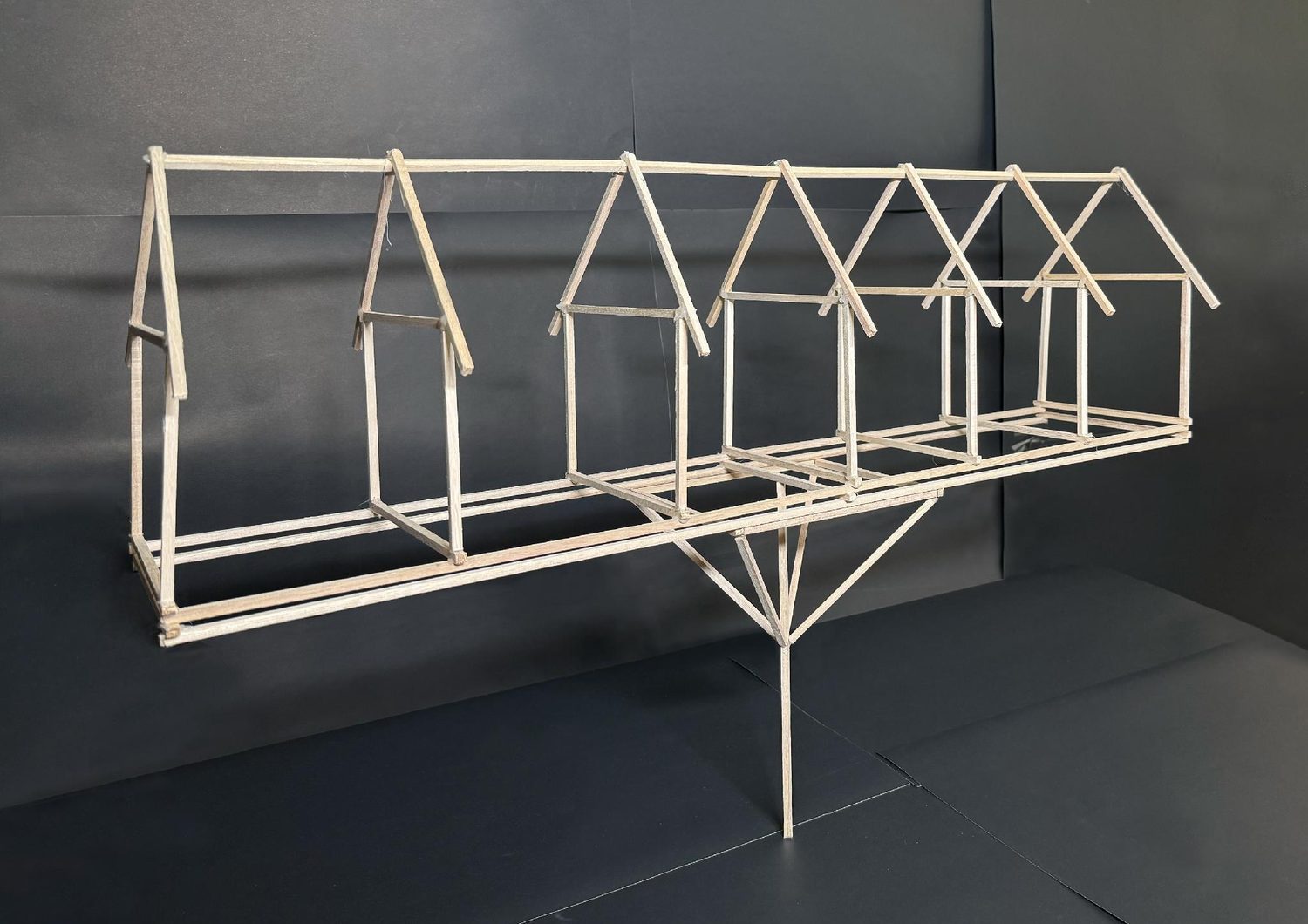
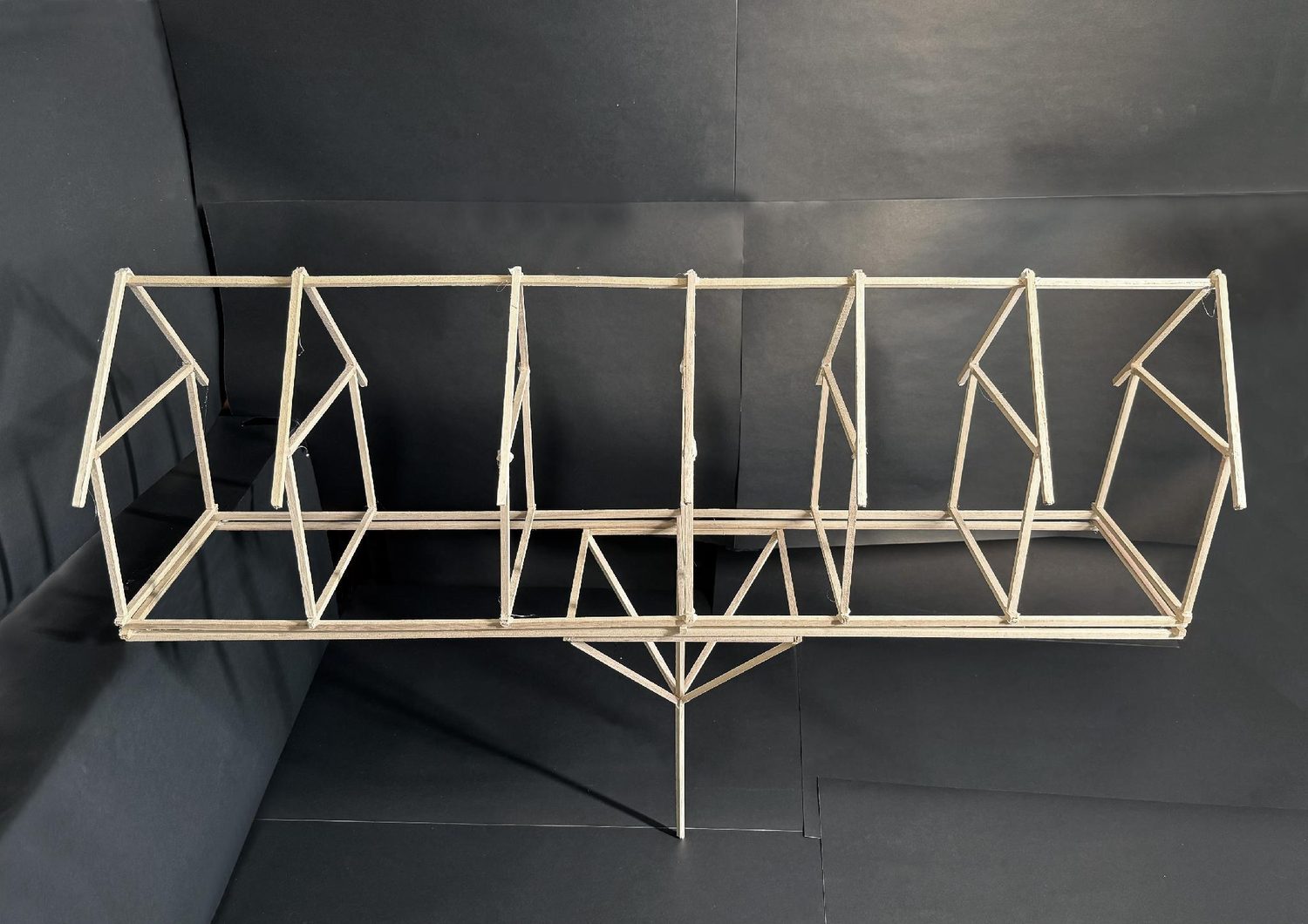
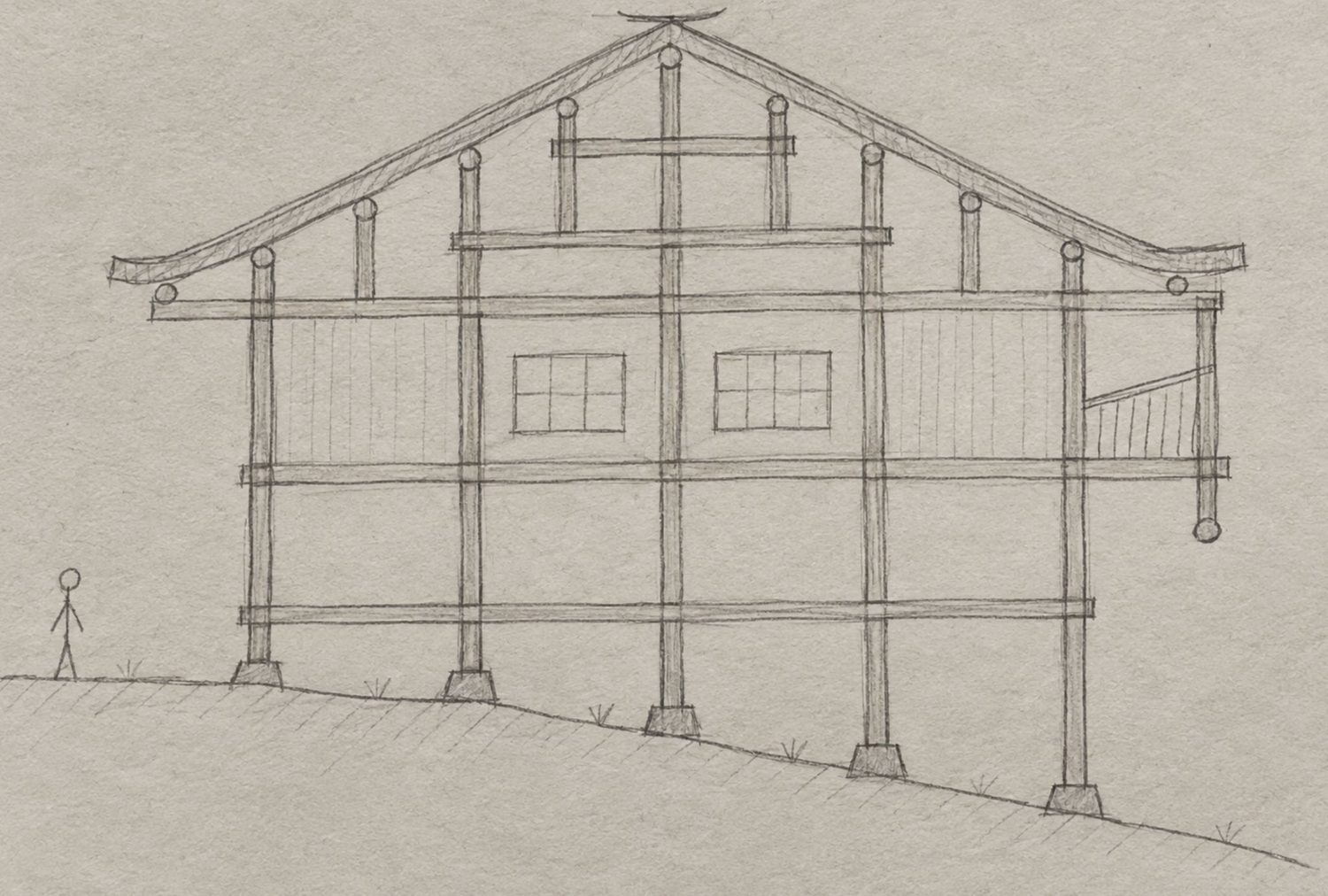
What the landing already knew
The crossing is never just a bridge. The lane comes down from the temple gate between timber shopfronts, stone steps and hanging lanterns, and the bridge reads as the last room of that street. Walking the approach twice, once in the morning market and once after rain, gave me the three pieces the project is built from: the gate's rhythm of bays, the shopfront's dark timber and deep eaves, and the step as a threshold that also works as a seat.
The bridge is finished when the town uses it as a street rather than a monument. What I keep from this project is a working method: measure the ordinary parts — a step, an eave, a bench — because those are the parts that make a piece of infrastructure feel like it belongs to a place.